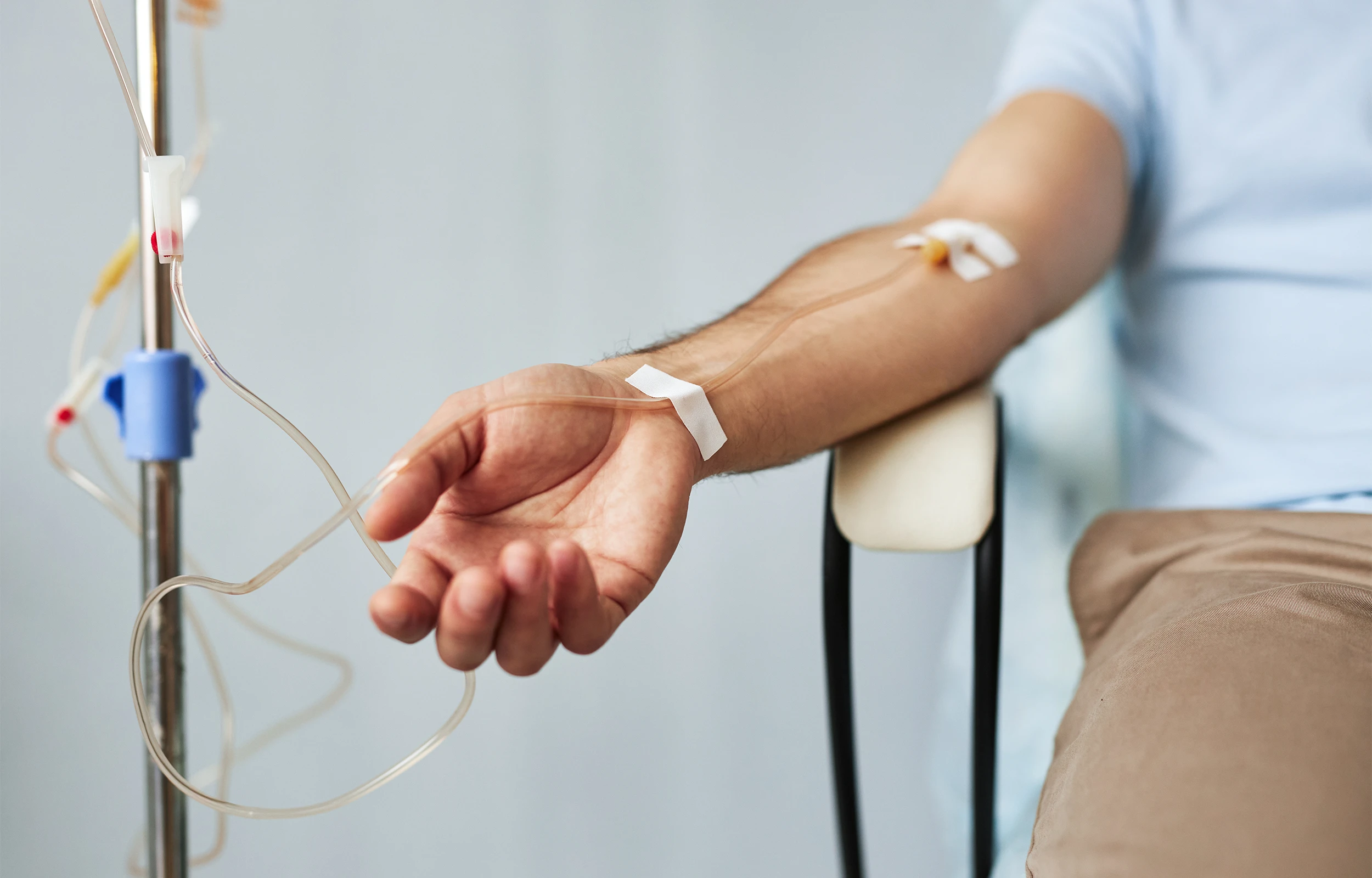
IV procaine—particularly when used in neural therapy—involves using procaine intravenously to modulate the autonomic nervous system and improve regulation of pain and inflammation.
Here are the proposed benefits of IV procaine in neural therapy:
Autonomic Nervous System (ANS) Regulation
Goal: Reset abnormal autonomic reflex patterns thought to perpetuate chronic pain or dysfunction.
Mechanism: Procaine can temporarily block aberrant nerve signaling , allowing the ANS to “reboot” toward a more balanced sympathetic/parasympathetic tone.
May benefit conditions like chronic pain, migraines, tinnitus, or functional GI disorders.
Pain Modulation
Local anesthetic effects can interrupt persistent nociceptive input from sensitized nerves.
IV administration may reduce central sensitization and hyperexcitability in pain pathways.
Anti-inflammatory & Microcirculation Effects
Procaine can cause vasodilation and improved microcirculation.
Reduces neurogenic inflammation and may improve tissue oxygenation.
Proposed mild antioxidant and membrane-stabilizing actions.
Mood & Cognitive Effects
Historically, procaine was a component of Gerovital H3 (GH3) in Eastern Europe, promoted for anti-aging, mood enhancement, and mild antidepressant effects.
IV procaine can increase acetylcholine release and modulate monoamine neurotransmitters, sometimes reported to improve mental clarity and reduce fatigue.
Possible Benefits for Chronic Illness:
Fibromyalgia
Chronic fatigue syndrome
Post-concussion syndrome
Chronic pelvic pain
Complex regional pain syndrome
Safety Notes
Generally well-tolerated when done properly.
Potential side effects: transient lightheadedness, tinnitus, metallic taste, warmth, or tingling during infusion.
Rare: allergic reactions (more common with ester anesthetics than amides), hypotension, arrhythmia if infused too rapidly.
Contraindications: true procaine allergy, severe heart conduction disorders, acute infection at injection site (if local therapy), caution in pregnancy.